
Content

The statement of cash flow is similar to the P&L, but it doesn’t include any non-cash items such as depreciation. Cash flow statements help show where your business is earning and spending money and its immediate viability and ability to pay its bills. This document summarizes your business’s assets, liabilities, and equity at a single period of time. Your total assets should equal the sum of all liabilities and equity accounts. The balance sheet provides a look at the current health of your business and whether it has the ability to expand or needs to reserve cash. Now that you’ve balanced your books, you need to take a closer look at what those books mean.
- You will enjoy a more streamlined record-keeping process due to identifying taxable benefits and deductions quicker and more efficiently.
- Blake provides strategic advisory services to businesses in many industries nationwide and is passionate about helping others reach new levels of success.
- Twice each month, schedule roughly one to two hours to go over your company’s deposits, withdrawals, transfers, purchases, and other key items.
- Whether you are an independent contractor or a multinational corporation, bookkeeping is important to you.
- That’s why we’ve created a handy checklist so you can do bookkeeping like a pro.
To avoid paying taxes on money that isn’t income, you should record the sources of all your deposits on a regular basis. Sales and payments you receive for services that you render are income; infusions from your personal account, a loan from your dad, or a refund from your supplier are not. Unpaid invoices or late payments hurt your business and delay your potential income. For example, if you expected some money to come in May, but it’s June and you still haven’t seen it, you can’t https://www.bookstime.com/ properly plan or budget for the coming months. For future reference and to maintain a neat bookkeeping system , take note of the money you spend on things like business trips, client lunches, and office supplies. Instead of using a physical notebook or Excel spreadsheet to record those expenses, you can automate your process with accounting software like Neat. Knowing what you spend your business finances on will help you make wiser financial decisions and save you money at tax time.
Update Your Books Regularly
Keeping track of your revenue is equally important to restaurant bookkeeping as knowing your expenses. Have accounting records on hand to show how much you earn from food sales, merchandise sales, or catering jobs. Practicing thorough restaurant accounting is crucial, but it can be overwhelming to think of managing your own books and records at first. To better understand restaurant bookkeeping, read these restaurant account tips and suggestions, and get on the way to being as successful as you imagined. You might use a to-do list or calendar app to manage all these different tasks.
Beyond bookkeeping, you can also make life easier by ensuring every email you ever send from your business will feature your professional email signature. We’re going to go over a few more bookkeeping tips for beginners that are important for any entrepreneur to know. 6) Build up your business credit score – Build up your business’ credit rating by maintaining a separate account. This score will demonstrate the creditworthiness of your business.
Choose Your Bookkeeping Method
However, it can quickly create many problems for your small business. One of the major sources of difficulty for business owners is a breakdown in cash flow, and one of the most common causes of such a breakdown is late payments. In order to protect your cash flow, you have to pay attention to the time it takes your invoices to be paid. The United States Bureau of Labor Statistics reports that 20% of new businesses fail within the first year, and 50% fail within the first five years. You don’t need to do the bookkeeping yourself, but you need to understand how to organize your business to make the bookkeeping more efficient and accurate. From payroll taxes to managing invoices, efficient bookkeeping smooths out the process of all your business’s financial tasks and keeps you from wasting time tracking down every dollar.

Don’t forget to make sure your payment details are correct and included. Depending on the volume of invoices, you can do this after the transaction, or at the end of the day. Get the essential bookkeeping tips for a starting entrepreneur. See the accounting lay of the land before starting your new business and possibly your life’s mission. Scan your receipts, business cards and other important paperwork.
Share Information Where Possible
Reviewing the sales shown on your profit and loss (P&L) report over the prior few months should provide some information on what sales should be next month. You may also want to consider what sales looked like for the same period last year to take into account any seasonality in your business. According to a study by Wasp Barcode Technologies, 50% of small businesses outsource their payroll accounting. Issuing paychecks, withholding employee taxes, and filing payroll tax returns is a cumbersome process that can be outsourced easily for a reasonable price. Many payroll providers even integrate with your accounting software so that the necessary accounting entries are loaded automatically. As a small business owner, it’s critical that you are involved in the financial management of your business. Here are my top 10 bookkeeping and accounting tips to keep things simple and to help you understand how accounting information can increase the success of your business.
- Plus, with the cloud, your critical financial data is backed up safely off-site.
- The only way to make sure you’re meeting those obligations is by isolating all of your business transactions.
- But not every aspect of business ownership revolves around your area of expertise.
- Or does it only appear that way because you haven’t been taking a salary yet?
- This is something that is especially important for C corporations.
Just a few minutes on a regular basis can save thousands of dollars. Also, remember that your CPA should be bringing you strategies and ideas in these meetings. If the meeting consists of you throwing out ideas and your CPA shooting them down, you have the wrong CPA. Find a planner who is reaching out to you with ideas and strategies on a regular basis. If you have to pull money out of an ATM, note on the receipt the purpose of the withdrawal. Reviewing your returns from the previous three to five years can provide at least a baseline for how much you should be setting aside each month.
Make Sure To Keep Business And Personal Finances Separate
If you co-mingle your business and personal accounts, you muddle your company review. You’ll need to do filings with a few different government entities, then pay the appropriate taxes. The only way to make sure you’re meeting those obligations is by isolating all of your business transactions. Third, if your business truly operates as a separate entity, you’re offered the full legal protections given to companies. After the initial setup, bookkeeping software and apps manage, sort, and sync uploaded financial data. They also track material costs, sales, receivables, payables, labor costs, and more.

We recently revised this page to include a few more bookkeeping tips. We also added an FAQ section to help explain why bookkeeping is so important for small businesses and when it’s time to hire a bookkeeper or accountant instead of going it alone. Recording expenses, tracking payments, and storing important documents can often feel tedious. Without organized systems in place, you may find yourself pouring over shoeboxes of receipts and documents if and when you need to file your taxes, undergo an audit, or apply for a loan.
Always Remember Tax Deadlines
Under the equity umbrella, there are a few accounts, namely Capital, Retained Earnings, and Dividends. This could be something physical, such as cash, a bank account, inventory, or equipment. Assets can also be intangible, such as intellectual property. When you get this principle down, the rest of bookkeeping becomes much easier.
When it comes to expenses, companies will receive a one-time advantage of spending money. Investments provide long-lasting benefits, which is why they are considered assets. 3) Equity Bookkeeping Tips – When money is given to a business straight from the pocket of the owner, it’s considered equity. With equity, there is no expectation that the money will ever get paid back.
Keep Business And Personal Finances Separate
Meals – To ensure deductions on business meetings that include meals, record the purpose of the meeting, as well as who attended. Though it’s best to be detailed and use them on a weekly basis, you can generate monthly or yearly P&L’s to your liking and include as much or as little detail as you think is necessary. If you’re like a lot of businesses, there’s always a lot happening in a few different corners of the universe. But the left hand needs to know what the right hand is doing. Managing administrative work can become complicated as your business grows and that once simple admin process can quickly escalate into a daunting challenge.
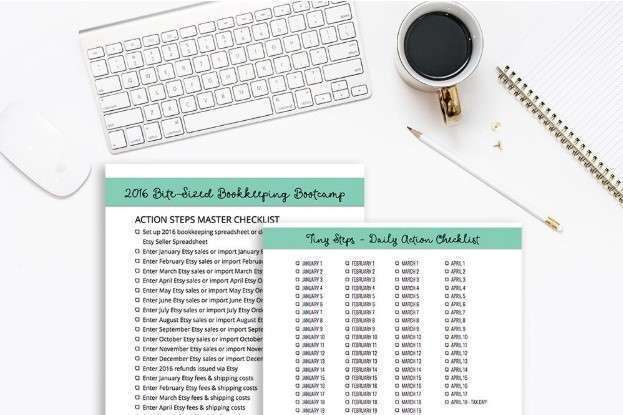
Being self-employed gives you a high degree of freedom, including the ability to choose a freelance bookkeeping system that works for you. Despite your best intentions, sometimes the admin work for your business will still be your last priority. Getting help on these steps ensures that things are managed proficiently — freeing you up to spend more time on running the sales, service and operations of your company. The best way to do your bookkeeping is little and often, and accounting software such as the Starling Business Toolkit is designed to help you do just that. Now that you know the bookkeeping basics to run your business properly, you can enjoy having fewer headaches when tax season rolls around. 5) Expenses – Expenses are incurred when money comes out of your business in order to keep it operating.
Bookkeeping Tips For Small Businesses
This report is crucial to understanding whether your business is making a profit or if you’re spending more than you’re earning. If you need to travel for business, be sure to record the purpose of the trip, save any related receipts, and track your vehicle mileage. As of 2021, the IRS has set the standard mileage deduction for business expenses at 56 cents per mile. Tracking your business’s expenses is not only vital to understanding how to increase your profits but also allows you to take advantage of certain tax deductions. To make the most out of these potential tax deductions, we recommend keeping an accurate record of all applicable business expenses, along with copies of receipts . It’s also crucial to stay organized when it comes to bookkeeping. This means keeping all of your records in one place and having a system for tracking them.
For example, many business expenses, like store or office rent, are tax-deductible. You could be leaving money on the table if you don’t keep track. Small-business owners know that smart money management is one of the most crucial aspects of success, regardless of how much revenue a company brings in.
If you find yourself in need of further bookkeeping assistance, consider outsourcing your bookkeeping or payroll services to a local provider who can ensure expert service. Alternatively, for simple bookkeeping advice, you can reach out to other business owners in your area who may have more experience with bookkeeping and can share their insight. One of the most common self-employed bookkeeping pitfalls is not accounting for tax bills.
Compare Accounting Options
Rounding up or down by a few cents or dollars can add up over the course of a week or month and begin to affect your bottom line. There’s an old saying that goes, “When you assign something to everyone, you assign it to no one.” That’s a great mindset to bring into your bookkeeping process.